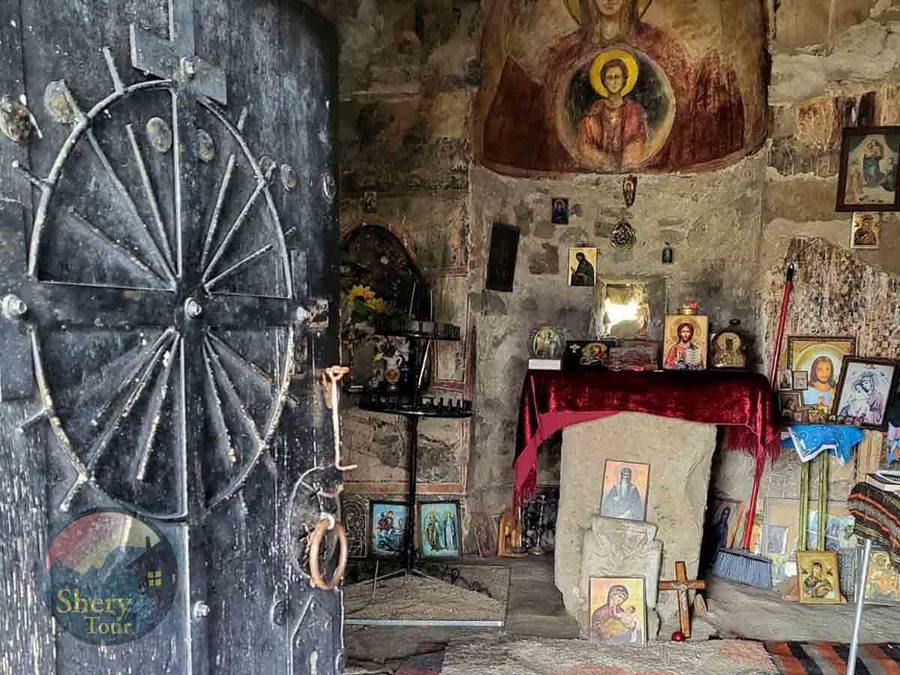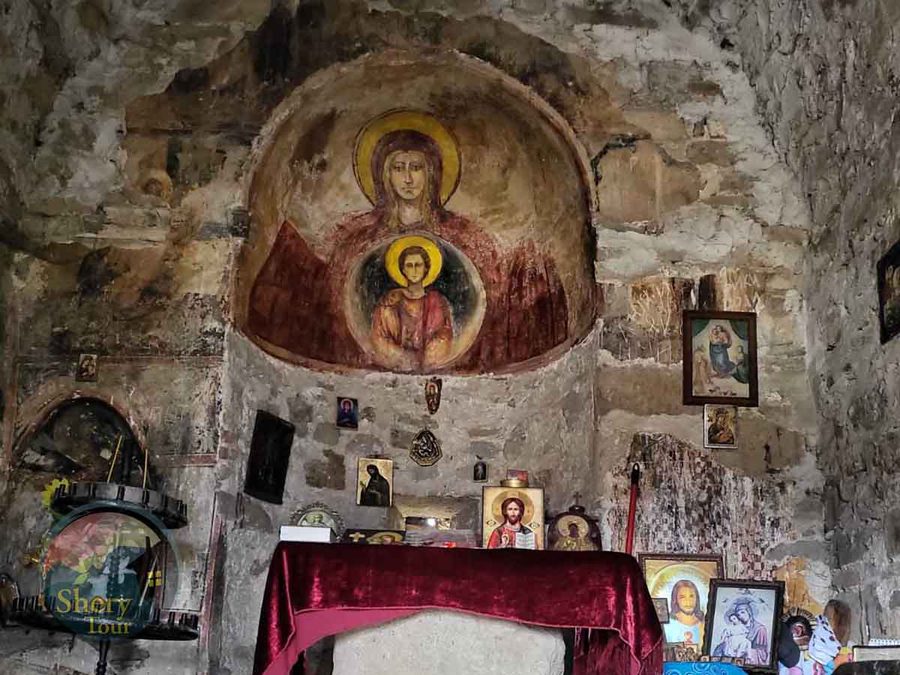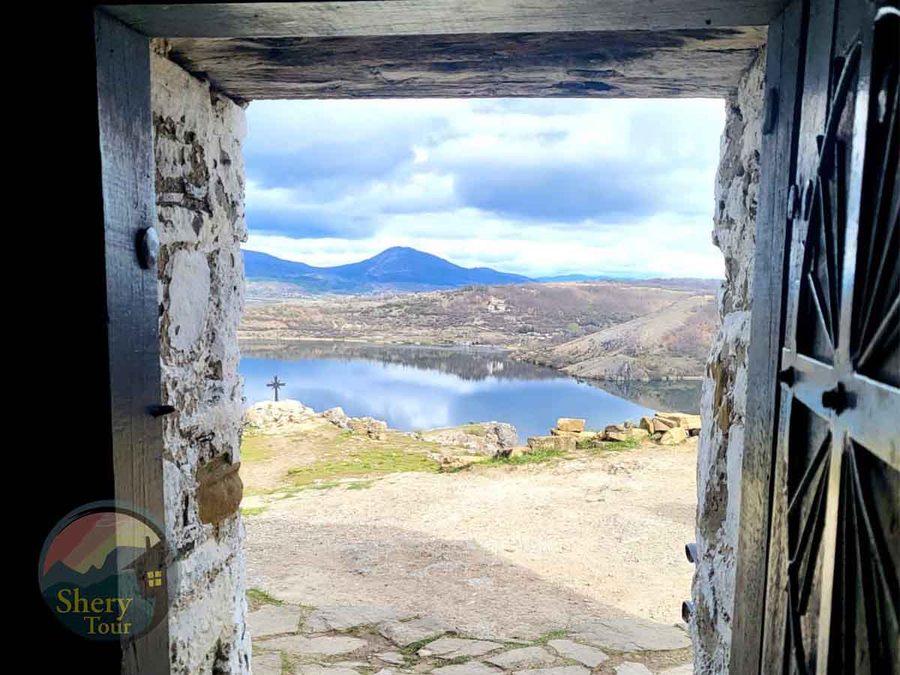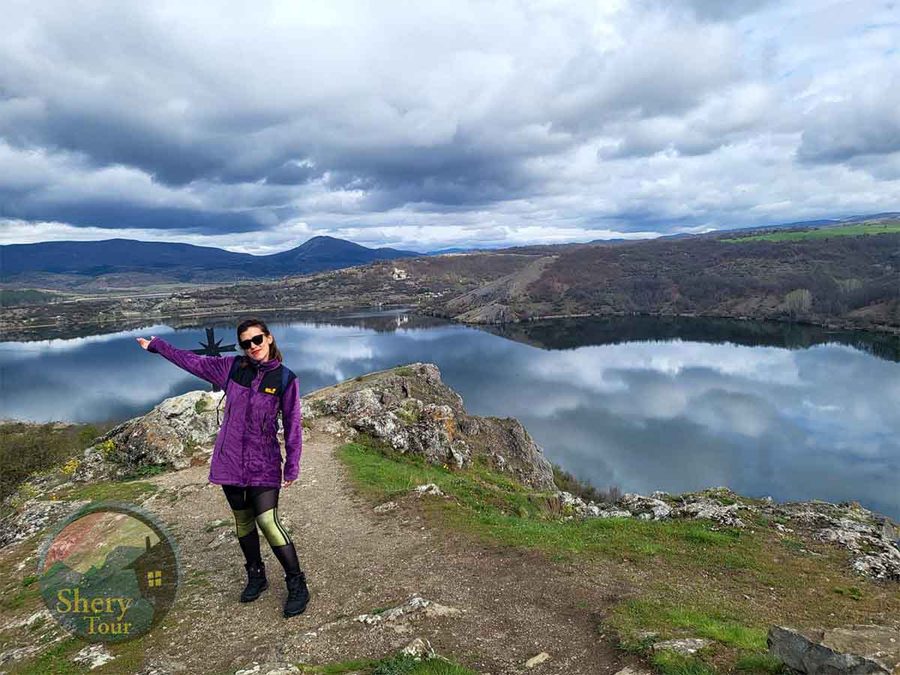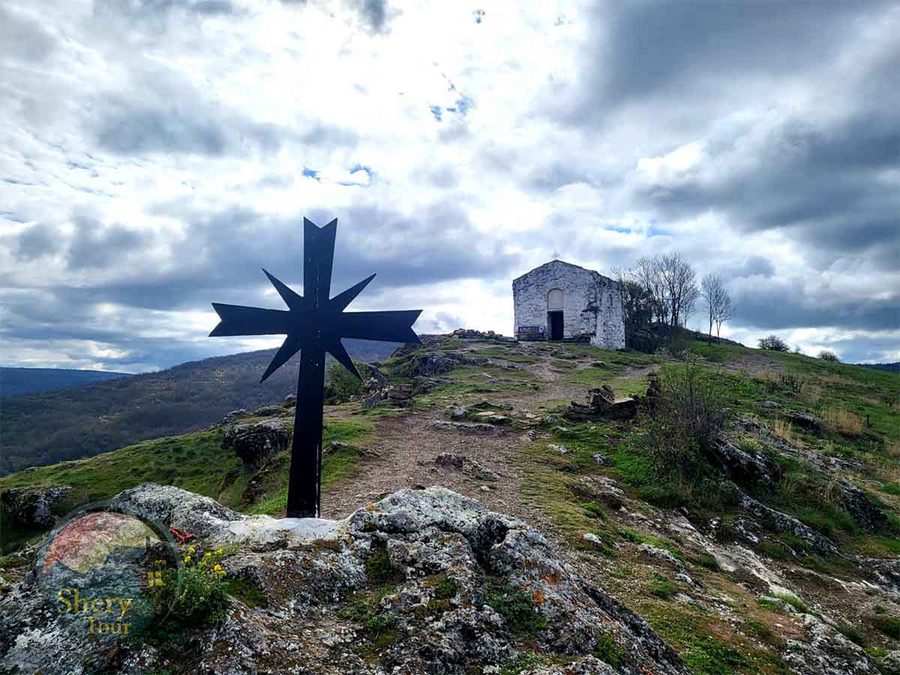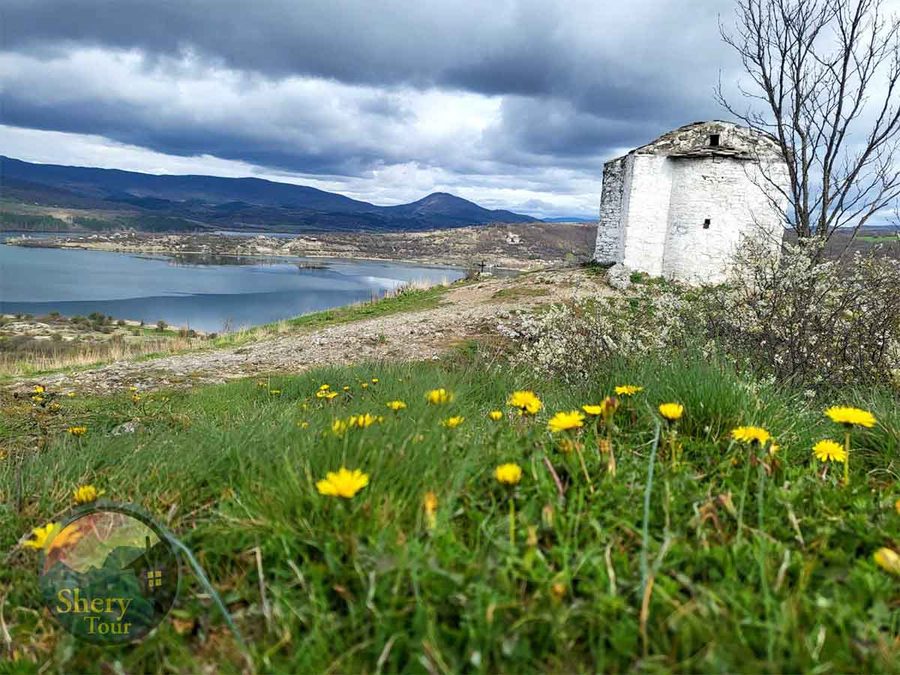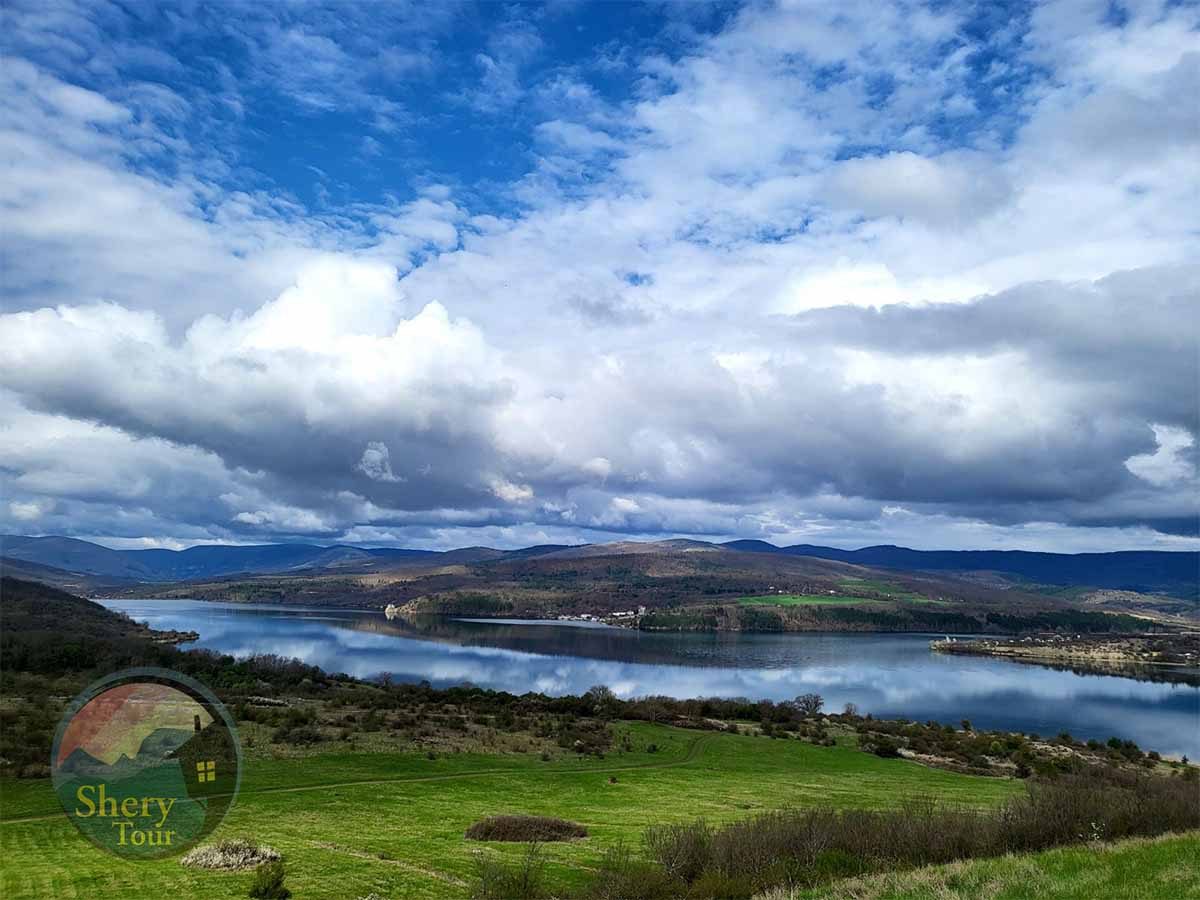
Despite the forecasts of rain, we decided not to waste the day and set off on a short journey not far from Sofia, about 60 kilometres away. Just past the town of Radomir we turned off for the village of Potsarnentsi, where the road begins towards a heavenly place: the church of St John the Summer above Pchelina Reservoir, which keeps alive the memory of the village that once stood there. You can leave your car at the edge of the village, as the road does not allow you to drive all the way unless your vehicle is an off-roader, but we recommend you walk it anyway.
Pchelina Reservoir and the chapel of St John the Summer
The waters of the reservoir flooded the village of Pchelintsi, whose people were resettled in the 1970s. A few buildings survived, among them the village's old church of St John the Summer, rising on the rocks above the water. The chapel, as the medieval church is called today, not only keeps alive the memory of the former village but stands as a true symbol of the strength and permanence of faith.
We will not hide that this was not our first visit, but we wanted to share with you our admiration for these views. There is no way to describe the place either, because everyone feels something different there. So we simply recommend you visit it.
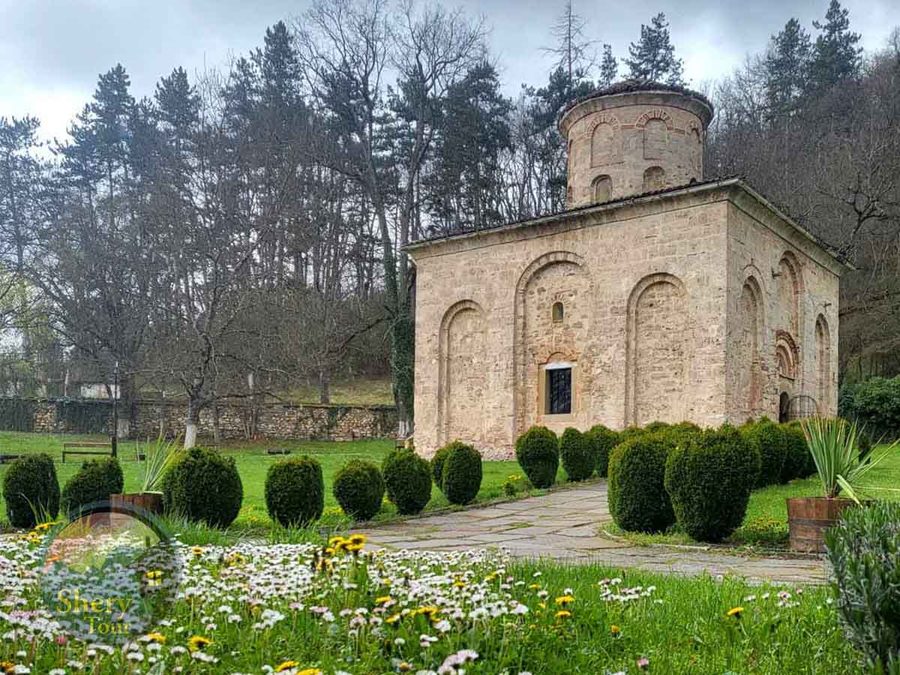
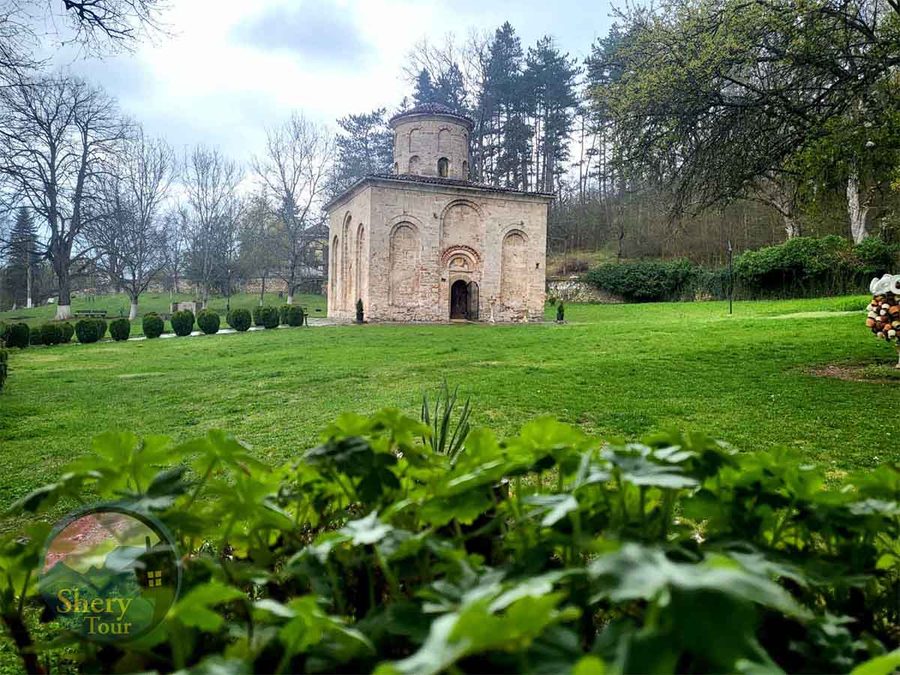
Zemen Monastery
If you would like to see something more in the area, we recommend Zemen Monastery. It is about a 20-minute drive from the chapel. The road is good and opens up wonderful views in every direction. The monastery lies at 600 metres above sea level, in a beautiful spot at the foot of the Konyavska mountain, in the valley of the Struma river, right next to the town of Zemen.
Zemen Monastery of St John the Theologian was founded in the 11th century, and during the Second Bulgarian Kingdom it lay within the fortress of Zemlingrad, which guarded the Zemen gorge of the Struma. The only building surviving from that time is the church, dating from the late 11th and early 12th century. The monastery is not inhabited by monks and has been turned into a museum. The complex consists of two connected buildings, a small bell tower and a church in the middle of a large courtyard.